






Let us help you find what you’re looking for


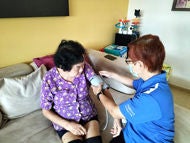
Patients with breathlessness can use a finger pulse oximeter to monitor their blood oxygen saturation levels to guide self-care.
Visit the Emergency Department if you have any of the following:
- Sudden persistent breathlessness, especially if it's accompanied by chest pain, a feeling of suffocation, or a change in skin colour (bluish lips or fingertips).
- Breathlessness affecting your ability to speak or walk a short distance.
- Shortness of breath with a fever or cough, as this could indicate pneumonia or another serious lung infection.
- Persistent finger pulse oximeter readings of less than 95%.
- Breathlessness with pre-existing severe lung disease.
Visit the GP or Polyclinic if you have any of the following:
- Chronic or long-standing breathlessness that is mild and not significantly interfering with daily life.
- Shortness of breath related to a known condition like asthma, where you need a medication refill or a change in your treatment plan.
What you can do:
- Avoid Triggers: Identify and avoid environmental triggers like smoke, dust, pollen, or chemical fumes that may irritate your airways and cause breathlessness. Use of air purifiers can help to reduce such environmental triggers.
- Manage Underlying Conditions: Adhere to your medications and treatment plans for underlying conditions such as asthma and heart failure.
- Quit Smoking: Smoking is a leading cause of chronic lung diseases like COPD and can significantly worsen shortness of breath.
- Quit Vaping: Apart from being illegal, use of vapes can lead to lung injury.
- Stay Active: Regular, moderate exercise can strengthen your heart and lungs, making them more efficient at delivering oxygen.
- Maintain a Healthy Weight: Obesity can put extra strain on your heart and lungs, contributing to shortness of breath.
Stay Healthy The Easy Way

Get trusted health advice, offers and more.
Stay Ahead in Healthcare Industry

Subscribe to our exclusive updates for healthcare professionals.
















Keep Healthy With
 HealthXchange
 Health Videos
Follow SingHealth


© 2026 Singapore Health Services Pte Ltd. All Rights Reserved.