




Let us help you find what you’re looking for
SingHealth Centre for Population Health Research and Implementation (CPHRI)
Synonym(s):


- PULSES Centre Grant
- Research Focus Areas
- CPHRI Projects
- Research Capabilities & Expertise
SingHealth Regional Health System Population-based, Unified, Learning System for Enhanced and Sustainable Health Centre Grant (PULSES CG)
At CPHRI, our research agenda is shaped by the real-world health challenges facing Singapore’s diverse population. We work across the full continuum from epidemiological studies that identify risk and protective factors, to implementation research that brings evidence-based interventions to scale.
PULSES Centre Grant
The SingHealth Regional Health System Population-based, Unified, Learning System for Enhanced and Sustainable Health (PULSES) Centre Grant (CG) is the cornerstone of CPHRI’s research strategy. First awarded in August 2017, the PULSES CG has enabled SingHealth to build population health research capabilities and foster multidisciplinary collaborations across the AMC.
PULSES I (2017–2021): Established foundational research infrastructure and launched five thematic research areas addressing key population health priorities.
PULSES II (2022–2026): Renewed under the National Research Innovation and Enterprise (RIE) 2025 plan, PULSES II received S$14 million in funding to deepen focus across five updated themes. PULSES II was the only population health Centre Grant awarded in that RIE cycle.
PULSES III (2027–2032): Renewed under the National Research Innovation and Enterprise (RIE) 20230 plan, PULSES III received S$20 million in funding, and an additional S$5M conditional to working with the other two national healthcare clusters, to develop a national approach in population health research. This renewal builds on our established strengths in population health research, with a renewed focus aligned to national health priorities and the Research, Innovation and Enterprise (RIE) 2030 strategic directions. Our focus areas will continue to address pressing and emerging population health challenges, while strengthening translational and implementation research to support scalable, system-level impact for Singapore’s health system.


Focusing on metabolic, mental and sleep health across key life stages, this theme spans preconception and pregnancy through to early childhood and adolescence. By identifying shared risk factors and co-designing family-centred, digital and community-based interventions, the programme aims to support healthier lifelong outcomes through earlier prevention and integrated care.

Spanning the cancer and palliative care continuum, this theme aims to improve health outcomes and quality of life for individuals and their families. Key priorities include increasing cancer screening uptake, developing sustainable survivorship care models with stronger primary care partnerships, and advancing early, community-based palliative care.

As Singapore's population ages, this theme examines how social, environmental and technological factors influence an older adult's ability to live well in the community. Research will address challenges such as social isolation, caregiving needs, heat resilience and digital inclusion, while informing more targeted and sustainable ageing-in-place strategies.

Research in this area seeks to prevent and better manage conditions such as obesity, diabetes, hypertension and cardiovascular disease across the life course. Efforts focus on identifying risk profiles, strengthening self-management in the community, and redesigning care pathways across hospitals, primary care and community services to deliver more coordinated and person-centred care.

Maintaining functional ability and promoting healthy ageing are central goals of this research area. Through earlier detection, personalised interventions and technology-enabled monitoring, the programme seeks to better understand and address declines in intrinsic capacity, muscle health and frailty.

Advancing the early detection, prevention and management of cognitive decline and dementia is a key focus of this theme. By combining AI-enabled screening, community-based interventions and real-world implementation, the programme aims to promote healthier brain ageing and translate evidence into scalable services and policy solutions.

Research Team
Principal Investigators:
A/Prof Low Lian Leng
Director, SingHealth Centre for Population Health Research and Implementation
Chairman, Division of Population Health and Integrated Care (PHIC), SGH
Senior Consultant, Family Medicine and Continuing Care, SGH
Prof Teo Hock Hai (Co-PI)
Provost's Chair Professor, NUS
Director, Humanities & Social Sciences Research, NUS Office of the Deputy President
Co-Investigators:
Prof Julian Thumboo (Group Director, Academic Medicine, SingHealth)
Dr Kwan Yu Heng (Senior Resident, Rheumatology and Immunology, SGH)
Ms Xu Yi (Assistant Director, Nursing, PHIC Community Nursing, SGH)
A/Prof Bee Yong Mong (Head & Senior Consultant, Endocrinology, SGH)
A/Prof Tai Bee Choo (Associate Professor, NUS Saw Swee Hock School of Public Health)
Prof Nicholas Graves (Deputy Director, Programme in Health Services Research & Population Health, Duke-NUS)
Asst. Prof Yoon Sungwon (Assistant Professor, Programme in Health Services Research & Population Health, Duke-NUS)
A/Prof Sanjeewa Kularatna (Associate Professor, Programme in Health Services Research & Population Health, Duke-NUS)
A/Prof Bibhas Chakraborty (Director, Centre for Quantitative Medicine, Duke-NUS)
Asst. Prof Shin Soye (Assistant Professor, Lien Centre for Palliative Care, Duke-NUS)
Ms Stephanie Teo Swee Hong (Deputy Group Chief Nurse, Care Integration and Community Nursing, SingHealth RHS)
Ms Carolyn Chan Mei Fong (Deputy Director, Nursing, SKH)
Dr Chua Jia Min (Consultant, Endocrinology, General Medicine, SKH)
Ms Joanne Yap (Assistant Director, Community Nursing, CGH)
A/Prof Tan Ngiap Chuan (Director, Research, SHP)
Dr Cynthia Tan Yan Ling (Family Physician, SHP)
Dr Quah Yan Ling (Associate Consultant, SHP)
Dr Choo Wei Song Jeremy (Consultant, SHP)
Dr Huang Weiting (Senior Consultant, Cardiology, NHCS)
Dr Rick Chan (Clinical Lead, SingHealth Regional Primary Care Network)
Dr Roy Teow Kay Leong (Clinical Lead, SingHealth DOT Primary Care Network)
Ms Nicole Lim (Chief Data Officer, Health Promotion Board)
Mr Ng Siau Yong (Chief Data Officer & Director of GeoSpatial and Data Division, Singapore Land Authority)
Key Collaborators:
National University of Singapore
Duke-NUS Medical School
Health Promotion Board
Singapore Land Authority
SingHealth Polyclinics
Singapore General Hospital
National Health Centre Singapore
Sengkang General Hospital
Changi General Hospital
National University Health System (NUHS)
Bedok Medical Centre
Drs. Bain and Partners LLP
Minmed Medical Group
Mutual Healthcare
SingHealth DOT PCN
SingHealth Regional PCN
Cardiovascular Disease National Collaborative Enterprise (CADENCE)
HealthGen Pte Ltd.Novartis Foundation
Funded by: MOH National Innovation Challenge (NIC) on Active and Confident Ageing; AI Singapore Grand Challenge funding scheme; MOH and SingHealth HPHSR Clinician Scientist Award; MOH Health Innovation (MHI) funding scheme
Study Overview
EMPOWER is a digital health research project that investigates how technology and patient-generated health data (PGHD) can support chronic disease management by strengthening connections between patients, health data, and healthcare providers. At the centre of the project is EMPOWER+, a mobile health platform that collects and integrates PGHD from multiple sources. It incorporates multiple features such as AI-enabled chatbot, smart behavioural and educational nudging, dietary monitoring using food imaging, real-time feedback and personalised reports, as well as reward-based engagement features that encourage sustained healthy behaviours.
EMPOWER has evolved from technology development to implementation across multiple healthcare settings. EMPOWER+ was first introduced in polyclinics, followed by expansion into tertiary care environments, and more recently into community programmes and general practitioner clinics. The project involves collaborations with Healthier SG teams within SingHealth and aligns with broader population health initiatives such as Cardio4Cities (C4C) and MOH Community Health Strategies. Future work includes improvements in accessibility and usability, as well as the use of big data and deep learning to refine behavioural nudging and develop just-in-time interventions, as well as research on the economic value of digital health interventions.

News Coverage
- EMPOWER-ing diabetes patients to lead healthier lifestyles - by National University of Singapore
- Fitness app soon to nudge diabetic and hypertensive patients - by Helmy Sa'at from The Straits Times
- AI Singapore
- Eat, play, live in 2025: Smartwatches make healthcare smarter
Publications
- Seng, J. J. B., Nyanavoli, H., Decruz, G. M., Kwan, Y. H., & Low, L. L. (2025). Health Coaching and Its Impact in the Remote Management of Patients With Type 2 Diabetes Mellitus: Scoping Review of the Literature. Journal of medical Internet research, 27, e60703. https://doi.org/10.2196/60703
- Yoon, S., Lau, R., Kwan, Y. H., Liu, H., Sahrin, R., Phang, J. K., Zhang, Y., Graves, N., & Low, L. L. (2025). Acceptability of an AI-enabled family module in a mobile app for enhanced diabetes management: Patient and family perspectives. Digital health, 11, 20552076251322654. https://doi.org/10.1177/20552076251322654
- Gan, Y., Kwan, Y. H., Seah, J. Y. H., & Low, L. L. (2025). Association of Novel Clinical and Behavioural Markers with HbA1c Improvement: A Latent Class Analysis of 912 Patients with Type 2 Diabetes Mellitus. Diabetes research and clinical practice, 219, 111971. https://doi.org/10.1016/j.diabres.2024.111971
- Kwan, Y. H., Yoon, S., Tai, B. C., Tan, C. S., Phang, J. K., Tan, W. B., Tan, N. C., Tan, C. Y. L., Koot, D., Quah, Y. L., Teo, H. H., & Low, L. L. (2024). Empowering patients with comorbid diabetes and hypertension through a multi-component intervention of mobile app, health coaching and shared decision-making: Protocol for an effectiveness-implementation of randomised controlled trial. PloS one, 19(2), e0296338. https://doi.org/10.1371/journal.pone.0296338
- Yoon, S., Goh, H., Phang, J. K., Kwan, Y. H., & Low, L. L. (2023). Socioeconomic and behavioral determinants of non-compliance with physician referrals following community screening for diabetes, hypertension and hyperlipidemia: a mixed-methods study. Scientific reports, 13(1), 20554. https://doi.org/10.1038/s41598-023-47168-8
- Yoon, S., Tan, C. M., Phang, J. K., Liu, V. X., Tan, W. B., Kwan, Y. H., & Low, L. L. (2024). Exploring the Implementation of Shared Decision-Making Involving Health Coaches for Diabetes and Hypertension Self-Management: Qualitative Study. JMIR formative research, 8, e51848. https://doi.org/10.2196/51848
- Yoon, S., Tang, H., Tan, C. M., Phang, J. K., Kwan, Y. H., & Low, L. L. (2024). Acceptability of Mobile App-Based Motivational Interviewing and Preferences for App Features to Support Self-Management in Patients With Type 2 Diabetes: Qualitative Study. JMIR diabetes, 9, e48310. https://doi.org/10.2196/48310
- Kwan, Y. H., Ong, Z. Q., Choo, D. Y. X., Phang, J. K., Yoon, S., & Low, L. L. (2023). A Mobile Application to Improve Diabetes Self-Management Using Rapid Prototyping: Iterative Co-Design Approach in Asian Settings. Patient preference and adherence, 17, 1–11. https://doi.org/10.2147/PPA.S386456
- Yoon, S., Kwan, Y. H., Phang, J. K., Tan, W. B., & Low, L. L. (2022). Personal Goals, Barriers to Self-Management and Desired mHealth Application Features to Improve Self-Care in Multi-Ethnic Asian Patients with Type 2 Diabetes: A Qualitative Study. International journal of environmental research and public health, 19(22), 15415. https://doi.org/10.3390/ijerph192215415
- Kwan, Y. H., Yoon, S., Tan, C. S., Tai, B. C., Tan, W. B., Phang, J. K., Tan, N. C., Tan, C. Y. L., Quah, Y. L., Koot, D., Teo, H. H., & Low, L. L. (2022). EMPOWERing Patients With Diabetes Using Profiling and Targeted Feedbacks Delivered Through Smartphone App and Wearable (EMPOWER): Protocol for a Randomized Controlled Trial on Effectiveness and Implementation. Frontiers in public health, 10, 805856. https://doi.org/10.3389/fpubh.2022.805856
- Yoon, S., Ng, J. H., Kwan, Y. H., & Low, L. L. (2022). Healthcare Professionals' Views of Factors Influencing Diabetes Self-Management and the Utility of a mHealth Application and Its Features to Support Self-Care. Frontiers in endocrinology, 13, 793473. https://doi.org/10.3389/fendo.2022.793473
- Kwan, Y. H., Cheng, T. Y., Yoon, S., Ho, L. Y. C., Huang, C. W., Chew, E. H., Thumboo, J., Østbye, T., & Low, L. L. (2020). A systematic review of nudge theories and strategies used to influence adult health behaviour and outcome in diabetes management. Diabetes & metabolism, 46(6), 450–460. https://doi.org/10.1016/j.diabet.2020.04.002
Presentations/Conferences
| Date | Conference | Title |
| Dec 2022 | 15th Annual Conference on the Science of Dissemination and Implementation in Health | EMPOWERing patients with diabetes using profiling and targeted feedbacks delivered through smartphone app and wearable (EMPOWER): Randomized controlled trial on effectiveness and implementation |
| Dec 2022 | International Diabetes Federation (IDF) Congress 2022 | Prediction of major adverse clinical events in diabetic patients with machine learning |
| Aug 2023 | International Conference on AI in Medicine (iAIM) | A threshold-varying machine learning model towards personalized nudging of healthy behaviors |
| Oct 2023 | WONCA (World Organization of Family Doctors) 2023 World Conference | Shared decision-making and health coaching to support management of diabetes and hypertension in primary care: Qualitative study |
| Oct 2023 | WONCA (World Organization of Family Doctors) 2023 World Conference | Personal goals, barriers to self-management and desired mobile health application features to improve hypertension and hyperlipidemia self-care |
| Oct 2023 | Singapore Prevention & Cardiac Rehabilitation Symposium (SPCRS) 2023 | Socioeconomic and behavioral determinants of non-compliance with primary care physician referrals following community health screening for diabetes, hypertension and hyperlipidemia: a mixed-methods study |
| Jan 2024 | AI Summit | Personalised Chronic Disease Management Using AI & Behavioural Science for Population Health |
| Jul 2024 | AI Technology Showcase | EMPOWER+: Chronic disease management and care platform |
| Jul 2024 | WONCA (World Organization of Family Doctors) 2024 World Conference | Translating Research from Discovery to Bedside to Population and Society for Impact |
| Dec 2024 | 17th Annual Conference on the Science of Dissemination and Implementation in Health | Shared decision making and health coaching to support management of diabetes and hypertension in primary care: Qualitative study with patients and healthcare professionals |
| Dec 2024 | 17th Annual Conference on the Science of Dissemination and Implementation in Health | Facilitators and barriers to implementation of app-based motivational interviewing within AI-enabled EMPOWER mobile app for type 2 diabetes self-management |
| Mar 2025 | Advanced Technologies & Treatments for Diabetes | Empowering patients with diabetes using profiling and targeted feedbacks delivered through smartphone app and wearable (empower): a randomized controlled trial |
| Apr 2025 | International Diabetes Federation (IDF) Congress 2025 | Effectiveness of mHealth, AI-driven smart nudges and health coaching for Type 2 diabetes: A Randomized Controlled Trial |
| Sep 2025 | HSRI 10th Anniversary | AI-powered mHealth for diabetes management: Lessons from EMPOWER studies |
| Oct 2025 | AAC Engagement | EMPOWERing Patients Through Digital Health-enabled Integrated Chronic Disease Care Model |
| Feb 2026 | Singapore Conference on Ageing and Health 2026 | mHealth, CGM and coaching to support diabetes care in older adults: Subgroup analysis of a randomised controlled trial Digital Health–Supported Integrated Care Models for Older Adults: Insights from a Subgroup Analysis of an Ongoing Study |
| Mar 2026 | 19th International Conference on Advanced Technologies & Treatments for Diabetes (ATTD 2026) | Individual Characteristics as Moderators of Health Technologies Effectiveness in Diabetes Management: A Linear Mixed-Effects Analysis mHealth, Continuous Glucose Monitoring, and Health Coaching to Support Diabetes Management: A Pragmatic Randomised Controlled Trial in a Multi-Ethnic Country |
Research Team
Principal Investigators:
A/Prof Ng Yee Sien
Clinical Associate Professor and Associate Dean, Student Affairs Department, Duke-NUS)
Senior Consultant, Rehabilitation Medicine, SGH
Senior Consultant, General Medicine, SKH
A/Prof Laura Tay
Head and Senior Consultant, SingHealth Duke-NUS Centre of Memory and Cognitive Disorders
Senior Consultant, Geriatric Medicine, SKH
Senior Consultant, General Medicine, SKH
Co-Investigators:
Asst. Prof Pua Yong Hao (Senior Physiotherapist, Physiotherapy, SGH)
Key Collaborators:
- Sengkang General Hospital, Department of Physiotherapy
- SATA CommHealth, Community Hub @ Fernvale
- Precious Active Ageing Centres
a. Compassvale Ancilla
b. Punggol Emerald
c. Punggol Ripples - Allkin Active Ageing Centres
a. Punggol 206A
b. Sengkang 182 - Bethesda Care Centres
a. Active Ageing Centre @ Compassvale
b. Senior Connect @ Hougang 603 - EconLIFE! Hub Active Ageing Centre (Sengkang)
- SASCO Active Ageing Centre (Compassvale)
Past Partners
Fei Yue Active Ageing Centre (Serangoon)
Fu Hui Golden Care Centre
Community Centres/ Clubs
a. Anchorvale CC
b. Fernvale CC
c. Sengkang South CC
d. Punggol West CC
Funded by: National Medical Research Council Centre Grants (CGAug16C027 and CGAug16M011); National Innovation Challenge on Active and Confident Ageing Grant (MOH/NIC/HAIG04/2017)
Study Overview
The Individual Physical Proficiency Test for Seniors (IPPT‑S) is a landmark longitudinal research study designed to transform how we detect and manage aging-related conditions. Launched in 2018, the study tracks the health journeys of over 1,400 residents to understand the “silent” progression of frailty and sarcopenia (the age-related loss of muscle mass and strength).
We aim to recruit 2,000 participants across community partners within the SingHealth Regional Health System, including Singapore General Hospital and Sengkang General Hospital. While these conditions often lead to falls and loss of independence, they are preventable and reversible. IPPT-S provides the data needed to intervene early, keeping our seniors active, mobile, and independent for longer.
Following the World Health Organization’s (WHO) Intrinsic Capacity model, IPPT-S conducts comprehensive health “check-ups” across eight visits over a six-year period. Our assessments cover five critical domains:
- Physical Performance: Advanced testing of gait speed, grip strength, balance, and life-space mobility.
- Cognition & Mood: Monitoring memory, mental well-being, and social connectivity.
- Nutrition & Metabolism: Detailed body composition analysis and nutritional screening.
- Biological Markers: To identify systemic biomarkers associated with muscle health, inflammation, and metabolic function.
Impact & Reach:
IPPT-S is a truly community-rooted study. In partnership with the SingHealth Regional Health System, we operate across a network of over 10 sites, including Singapore General Hospital (SGH), Sengkang General Hospital (SKH), and various Active Ageing Centres (AACs) and Community Clubs.
By the Numbers:
· 1 ,400+ Participants screened since 2018.
· 1,000+ Participants have completed all follow-up visits.
· 13 Peer-reviewed publications in international academic journals.
· 16 National and international conferences and presentations.
Publications
- Multidomain geriatric screen and physical fitness assessment identify prefrailty/frailty and potentially modifiable risk factors in community-dwelling older adults.
Tay, L. B., et al., (2019). Ann Acad Med Singapore, 48(6), 171-180. - Frailty assessment in community-dwelling older adults: A comparison of 3 diagnostic instruments.
Lim, Y. J., et al. (2020). The journal of nutrition, health & aging, 24, 582-590. - Performance on sit-to-stand tests in relation to measures of functional fitness and sarcopenia diagnosis in community-dwelling older adults.
Yee, X. S., et al. (2021). European Review of Aging and Physical Activity, 18(1), 1-11. - Intrinsic capacity and its relationship with life-space mobility: a cross-sectional study of community-dwelling older adults in Singapore.
Lee, J.Q., et al (2021). BMJ Open 2021 - Reference ranges for gait speed and sit-to-stand performance in community-dwelling older adults with no mobility limitations.
Pua, Y.H., et al., (2022). J Am Med Dir Assoc 2022; S1525-8610 - Association of intrinsic capacity with frailty, physical fitness and adverse health outcomes in community-dwelling older adults.
Tay, L., et al. (2022). J Frailty Aging 2022 - Screening accuracy of percentage predicted gait speed for prefrailty/frailty in community-dwelling older adults.
Pua, Y.H., et al., (2022). Geriatr Gerontol Int 2022; 22(8): 575-580 - Associations of height, weight, and body mass index with handgrip strength: A Bayesian comparison in older adults.
Pua, Y.H., et al., (2023). Clin Nutri ESPEN 2023, 54:206-210 - Development and validation of a Physical Frailty Phenotype Index-based Model to estimate the Frailty Index.
Pua, Y.H., et al., (2023). Diagn Progn Res 7, 5 - Estimating cutpoints of gait speed and sit-to-stand test values for self-reported mobility limitations in a cohort of community-dwelling older adults from Singapore: comparing receiver operating characteristic (ROC) analysis with adjusted predictive modelling.
Pua, Y.H., et al., (2023). Arch Gerontol Geriatr. 2023. 112:105036 - Using item response theory to estimate interpretation threshold values for the Frailty Index in community dwelling older adults.
Pua, Y.H., et al., (2024). Arch Gerontol Geriatr. 2024. 117:105280 - Associations of 2 established methods of measuring gait speed and sit-to-stand performance with frailty and life-space mobility in community-dwelling older adults.
Pua, Y.H., et al., (2024). J Am Med Dir Assoc 2024; 25(12):105292 - Validity and utility of a modified short physical performance battery assessment and scoring approach in middle-aged and older adults.
Pua, Y.H., et al., (2026). J Am Med Dir Assoc 2026; 27(2): 106027
Presentations/Conferences
| Year | Conference | Title / Presenter |
| 2018 | International Conference on frailty and Sarcopenia Research 2018 | Rapid Multi-domain Geriatric Screen and Fitness Assessment identifies Pre(Frailty) and its potentially modifiable risk factors in community dwelling older adults / Laura, Tay |
| 2018 | International Conference on frailty and Sarcopenia Research 2018 | Life-space Mobility as a Clinical Marker for Physical Fitness in Community-Dwelling Older Adults: Gender Disparity Observations / Ee Ling, Tay |
| 2018 | Graduate Student Conference (GSC) 2018 | Fitness Assessment Identifies Pre(Frailty) and Potential Targeted Intervention in Community-dwelling Older Adults / Aisyah, Latib |
| 2019 | International Conference on frailty and Sarcopenia Research 2019 | Co-existence of Physical Frailty and sarcopenia is associated with poorer functional fitness and adverse health outcomes in community-dwelling older adults / Laura, Tay |
| 2019 | European Geriatric Medicine Society 2019 | Body Composition Identifies Frailty and Physical Function in Community-dwelling Seniors / Aisyah, Latib |
| 2019 | British Geriatrics Society 2019 | Community screening for frailty in older adults: a comparison of 3 frailty instruments / Ying Jun, Lim |
| 2019 | World Physiotherapy Congress 2019 | Rapid Multi-domain Geriatric Screen and Fitness Assessment identifies Pre(Frailty) and its potentially modifiable risk factors in community dwelling older adults / Shi Min, Mah |
| 2020 | Alzheimer's Association International Conference 2020 | Risk Factors for Cognitive Frailty and its Impact on Health Outcomes in Community Dwelling Older Adults / Laura, Tay |
| 2024 | Association of Academic Physiatrists 2024 | Single and Dual Task Gait Speed in Frailty Screening of Community-Dwelling Seniors / Joey Ruo Qi, Yeo |
| 2024 | 1st Asia Pacific Population Health Conference & 2nd Asia Pacific Social Prescribing Conference 2024 | Differential prognostic impact of sarcopenia components on functional performance in community-dwelling older adults / Gary Kum Hoe, Kwok |
| 2024 | 1st Asia Pacific Population Health Conference & 2nd Asia Pacific Social Prescribing Conference 2024 | Mediating effect of malnutrition on the association between depression and sarcopenia / Jin Jin, Lim |
| 2024 | 1st Asia Pacific Population Health Conference & 2nd Asia Pacific Social Prescribing Conference 2024 | Identifying Community-dwelling Older Adults at risk for Sarcopenia using WHO-ICOPE Step 1 / Min Xian, Wang |
| 2025 | International Conference on Frailty and Sarcopenia Research 2025 | Identifying Community-dwelling Older Adults at risk for Sarcopenia using WHO-ICOPE Step 1 / Min Xian, Wang |


In October 2024, the You Shine Awards recognized IPPT-S and INFINITY-ICOPE for their projects that enhanced outcomes of community-dwelling older adults.
Research Team
Principal Investigator:
A/Prof Laura Tay
Head and Senior Consultant, SingHealth Duke-NUS Centre of Memory and Cognitive Disorders
Senior Consultant, Geriatric Medicine, SGH
Senior Consultant, General Medicine, SKH
Co-Investigators:
A/Prof Ding Yew Yoong (Executive Director, Lead Scientist & Chair, Research Management Committee, GERI)
Prof Nicholas Graves (Deputy Director, Programme in Health Services Research & Population Health, Duke-NUS)
Mr Satya Vijay Reddy Medapati (Head, Audiology, SKH)
Prof Julian Thumboo (Group Director, Academic Medicine, SingHealth)
Asst. Prof Yoon Sungwon (Assistant Professor, Programme in Health Services Research & Population Health, Duke-NUS)
Dr Wang Zhen Sinead (Senior Consultant and Senior Family Physician, SHP Outram)
A/Prof Dennis Seow Chuen Chai (Senior Consultant, Geriatric Medicine, SGH)
Clin A/Prof Iris Rawtaer (Head and Senior Consultant, Psychiatry, SKH)
Asst. Prof Pua Yong Hao (Senior Physiotherapist, Physiotherapy, SGH)
Clin Asst. Prof Christopher Lien Tsung Chien (Senior Consultant, Geriatric Medicine, CGH)
Asst. Prof Lee Chun Fan (Assistant Professor, Endodontics, Restorative Dentistry, NDCS)
A/Prof Low Lian Leng (Director, SingHealth Centre for Population Health Research and Implementation)
Key Collaborators
- Bethesda CARE (BCARE) Centre – Active Ageing Centre @ Compassvale
- Bethesda CARE (BCARE) Centre – Senior Connect @ Hougang
- ECONLife! Hub – Sengkang (Senior Activity Centre)
- SASCO @ CompassvaleSt Luke’s Eldercare Active Ageing Centre (Care) @ Anchorvale
- Lions Befrienders Active Ageing Centre – Tampines 434
- Lions Befrienders Active Ageing Centre – Tampines 494E
- Lions Befrienders Active Ageing Centre – Tampines 499C
- Society for WINGS (“WINGS”)
- Sengkang General Hospital (SKH)
- Changi General Hospital (CGH)
- Singapore General Hospital (SGH)
- SingHealth Polyclinics (SHP)
- National Dental Centre Singapore (NDCS)
- National University of Singapore (NUS)
- Singapore University of Social Sciences (SUSS)
- Geriatric Education Research Institute (GERI)
INFINITY-ICOPE is also recognized by World Health Organization (WHO). Continuous regional knowledge sharing takes place with partners, including meetings with Brunei and Malaysia to discuss updates and progress.
Funded by: The National Innovation Challenge (NIC) Grant Call on Frailty.
Study Overview
Understanding and supporting intrinsic capacity (IC) – our physical and mental capabilities – plays a vital role in healthy ageing. As we age, maintaining these capabilities becomes increasingly important in preventing frailty and preserving independence. The INFINITY-ICOPE programme offers comprehensive geriatric assessment through a stepped-care approach. By monitoring changes in IC over time, we hope to provide support when it matters most.
To make assessments more accessible, we use digital tools including:
- The ENGAGE app, which lets older adults track their own health journey through self-screening capabilities, while also facilitating caregiver administered ICOPE Step 1 assessments, remote tracking of IC to spot early signs of decline, and personalized behavioural prompts that encourage healthy habits.
- SCREENii for the automated measure of gait speed and grip strength to facilitate physical frailty assessment
We work closely with community care providers and older adults, with continual feedback to improve programme delivery.

In October 2024, the You Shine Awards recognised INFINITY-ICOPE for their projects that enhanced outcomes of community-dwelling older adults.
News Coverage
- SingHealth and SKH launch INFINITY-ICOPE Programme for senior citizens - Lianhe Zaobao (7 October 2024), Shin Min (6 October 2024), Lianhe Zaobao Online (5 October 2024)
In conjunction with the International Day for Older Persons, SingHealth and SKH launched the INFINITY-ICOPE Programme on Saturday, 5 October 2024, that helps screen six key functions of senior citizens within five minutes. Under the programme, SKH works with Active Ageing Centres (AACs) to conduct health screenings for seniors to assess their hearing, vision, cognition, mobility, vitality, and mental health.Assoc Prof Laura Tay, Head & Senior Consultant, Department of Geriatric Medicine, SKH and Head of the SingHealth Duke-NUS Centre of Memory and Cognitive Disorders, shared that if the screening shows a lack in a certain area, the INFINITY-ICOPE team will work with the AAC to refer the senior to relevant agencies for follow-up. For example, SKH’s community nurses will conduct further assessments for seniors who are identified to have emotional, cognitive or mobility issues. Currently, the programme has been launched at three AACs in the northeast and benefitted 130 seniors.
- INFINITY-ICOPE was also featured on the "养身时膳" segment of Channel 8 Morning Express (晨光第一线) on 10 April 2025. It aimed to provide more comprehensive coverage of INFINITY-ICOPE compared to the programme launch in October 2024.
Presentations/Conferences
| Year | Conference | Title |
| 2024 | 1st Asia Pacific Population Health Conference (APPHC) and 2nd Asia Pacific Social Prescribing Conference (APSPC) 2024 | Feasibility and Community Assessors' Experiences in Initiating the World Health Organization's Integrated Care for Older People (WHO ICOPE) Framework in Singapore Chua DQL, Chong MWY, Wong FJY, Ma CHK, Tay L |
| 2025 | Malaysian Congress of Geriatric Medicine 2025 | An Integrated Frailty and Intrinsic Capacity Care Model for Community-dwelling Older Adults in Singapore: INFINITY-ICOPE Tay L |
| 2025 | 11th Asian Conference for Frailty and Sarcopenia | An Integrated Frailty and Intrinsic Capacity Care Model for Community-dwelling Older Adults in Singapore: INFINITY-ICOPE Tay L |
| 2025 | Evidence and Implementation Summit 2025 | Pilot implementation of a community-based intrinsic capacity and frailty management programme: Application of framework integration and rapid qualitative approach Ginting ML, Subramaniam A, Sum G, Wang SZ, Chua DQL, Ding YY and Tay L |
| 2026 | Singapore Conference on Ageing and Health 2026 | Embedding context in implementation: Lessons from a community-based intrinsic capacity programme in Singapore Ginting ML, Subramaniam A, Sum G, Wang SZ, Chua DQL, Ding YY and Tay L |
Publications
- Ginting ML, Sum G, Wang SZ, Ding YY and Tay L (2025) Integrated frailty and intrinsic capacity care model for community-dwelling older adults in Singapore: a rapid qualitative study of anticipated implementation barriers and enablers using the Consolidated Framework for Implementation Research and its Outcomes Addendum. Front. Health Serv. 5:1563686. doi: 10.3389/frhs.2025.1563686
Research Team
Principal Investigator:
A/Prof Low Lian Leng
Director, SingHealth Centre for Population Health Research and Implementation
Chairman, Division of Population Health and Integrated Care (PHIC), SGH
Senior Consultant, Family Medicine and Continuing Care, SGH
Co-Investigators:
Prof Julian Thumboo (Group Director, Academic Medicine, SingHealth)
Prof Nicholas Graves (Deputy Director, Programme in Health Services Research & Population Health, Duke-NUS)
A/Prof Laura Tay (Head, SingHealth Duke-NUS Centre of Memory and Cognitive Disorders)
Asst. Prof Yoon Sungwon (Assistant Professor, Programme in Health Services Research & Population Health, Duke-NUS)
A/Prof Ong Peck Hoon (Deputy Cluster Director, SIT)
Asst. Prof Samuel Chng (Research Assistant Professor, Urban Psychology Lab, LKY Centre for Innovative Cities, SUTD)
Ms Lim Gek Hsiang (Principal Biostatistician, Health Services Research Unit, SGH)
Key Collaborators
- Duke-NUS Medical School
- National University of Singapore
- Singapore Institute of Technology
- Singapore University of Technology and Design
- Agency for Integrated Care
- Housing & Development Board
- Ministry of National Development
- Ministry of Health Office for Healthcare Transformation
- Singapore Land Authority
- Urban Redevelopment Authority
- Goodlife by Montfort Care
- Thye Hua Kwan Moral Charities
- Changi General Hospital
- Singapore General Hospital
- Sengkang General Hospital
- SingHealth Office of Regional Health
Funded by: PULSES II Centre Grant (National Medical Research Council/CPHRI), HEAL Population Health Programme Fund (Duke-NUS Medical School), SingHealth Regional Health System Academic Medicine General Fund (Duke-NUS Medical School), Population Health Research Grant (PHRG) Thematic Category (NMRC)
Study Overview
The Community Ageing-in-Place Ecosystem (CAPE) project aims to reduce healthcare utilisation, slow the progression of frailty, and improve health-related quality of life of older adults over 18 months by fostering an ecosystem that supports ageing-in-place. Interventions within the ecosystem are being driven by the study’s three core pillars of health and social integration, built environment, and technology. The project follows 1,840 community-dwelling older adults across Marine Parade, Bedok South, Telok Blangah, Tiong Bahru and Bukit Merah, with multiple health, social, and economic indicators being measured throughout the study period.
CAPE’s ecosystem approach fosters proactive and preventative care, shifting the focus from reactive healthcare utilisation to early intervention and long-term well-being. Through comprehensive data collection and co-design workshops involving government agencies, healthcare representatives, institutes of higher learning, community partners, and residents themselves, the study has identified key gaps in community support and developed community-driven intervention strategies. Findings from CAPE will inform future policies and programs that strengthen population health efforts by ensuring that ageing-in-place solutions are scalable, sustainable and responsive to the growing needs of Singapore’s ageing population.

News Coverage
- Channel NewsAsia. 2026. Commentary: There's a quiet health evolution happening in Singapore.
- The Straits Times. 2024. SingHealth and SUTD renew partnership to enhance seniors’ health and lives.
- Channel NewsAsia. 2024. Seniors in Bedok South and Marine Terrace to get more support in healthy ageing under project.
Conference Presentations
- Neo HYR, Lee VV, Ng YL, Arora S, Chin YC, Chua MK & Low LL. 2026. Mapping social spaces: how formal and informal settings support ageing-in-place. Oral presentation at 23rd IAGG World Congress of Gerontology and Geriatrics, Amsterdam, The Netherlands.
- Chua MK, Chin YC, Arora S, Tan LWM, Lai FJY, Lee VV, Ng YL, Neo HYR & Low LL. 2026. Understanding frailty progression: changes in physical, social and mental health among community dwelling older adults. Oral presentation at 23rd IAGG World Congress of Gerontology and Geriatrics, Amsterdam, The Netherlands
- Neo HYR, Lee VV, Chin YC, Arora S, Ng YL, Chua MK & Low LL. 2026. Exploring living life spaces of older adults in Singapore: A GIS perspective. Oral presentation at Singapore Ageing and Health Conference 2026, Singapore.
- Arora S, Lee VV, Chin YC, Neo HYR, Chua MK, Ng YL & Low LL. 2026. Understanding the aspects of accessibility and its challenges in supporting ageing in place for seniors. Oral presentation at Singapore Ageing and Health Conference 2026, Singapore.
- Lee VV, Neo HYR, Chin YC, Ng YL, Chua MK, Arora S & Low LL. 2026. Reciprocal social participation: older adults as beneficiaries and contributors to ageing-in-place. Oral presentation at Singapore Ageing and Health Conference 2026, Singapore.
- Chin YC, Chua MK, Arora S, Lee VV, Neo HYR, Ng YL & Low LL. 2026. A comparison of health, functional, and psychosocial indicators in older adults who live in their own homes vs. public rental flats. Poster presentation at Singapore Ageing and Health Conference 2026, Singapore.
- Ng YL, Tan CM, Chua MK, Low LL, Lee DSX, Chin YC & Seah JYH. 2026. Understanding the environmental determinants and contexts of ageing-in-place among seniors living in Singapore rental flats. Oral presentation at Singapore Ageing and Health Conference 2026, Singapore.
- Chin YC, Ng YL, Chua MK, Lee DSX, Low LL, Tan CM & Seah JYH. 2024. A preliminary comparison of Fried’s phenotype and clinical frailty scale in assessing frailty in community-dwelling seniors in Singapore. Poster presentation at Asia Pacific Population Health Conference (APPHC) 2024, Singapore.
- Tan CM, Ng YL, Chua MK, Lee DSX, Chin YC, Low LL & Seah JYH. 2024. Understanding the determinants of ageing in place through a capability approach: A qualitative study with seniors in Singapore’s public rental housing. Poster presentation at Asia Pacific Population Health Conference (APPHC) 2024, Singapore.
- Chua MK, Chin YC, Ng YL, Lee DSX, Low LL, Tan CM & Seah JYH. 2024. Frailty, healthcare utilisation, and costs among community-dwelling seniors in Singapore. Poster presentation at Asia Pacific Population Health Conference (APPHC) 2024, Singapore.
- Ng YL, Tan CM, Chua MK, Low LL, Lee DSX, Chin YC & Seah JYH. 2024. Ageing in Singapore: Financial and welfare needs assessment for seniors to age-in-place. Poster presentation at Asia Pacific Population Health Conference (APPHC) 2024, Singapore.
- Lee DSX, Chin YC, Chua MK, Ng YL, Low LL, Tan CM & Seah JYH. 2024. Employment status, caregiver availability and living arrangement were associated with resilience in community-dwelling seniors. Poster presentation at Asia Pacific Population Health Conference (APPHC) 2024, Singapore.
- Lee DSX, Ng YL, Chua MK, Low LL, Tan CM & Seah JYH. 2024. Development of Items for a Novel Built Environment-Health (BE-H) Index. Oral Presentation at the 6th International Conference on Architecture, Research, Health, and Care Aalto University, Finland.
Peer-reviewed Publications or Conference Proceedings
- Tan CM, Ng YL, Lee DSX, Chua MK, Seah JYH & Low LL. Assessing determinants of ageing in place through a capability approach: A qualitative study with older adults in Singapore's public rental housing. Under review at BMC Geriatrics. Submitted on 25th February 2026.
- Lee VV, Chin YC, Neo RHY, Chua MK, Arora S, Ng YL & Low LL. From provision to co-creation: A transdisciplinary approach to ageing-in-place through participatory action research. Under review at Humanities and Social Sciences Communications. Submitted on 3rd November 2025.
- Lee DSX, Ng YL, Chua MK, Low LL, Tan CM & Seah JYH. 2024. Development of items for a novel built environment-health (BE-H) Index. In ARCH24 Design for Health and Wellbeing - Best Practice Papers from the 6th International Conference on Architecture, Research, Care and Health 17-19 June 2024, Espoo, Finland.
- Tan CM, Chua AMJ, Low LL, Seah JYH & Yoon S. 2024. Exploring the determinants of age-friendly neighbourhoods among seniors residing in a low-income urban community in Singapore: A participatory study. Studies in Health Technology and Informatics. 319: 518-537. doi: 10.3233/SHTI240969
Research Team
Principal Investigator:
A/Prof Low Lian Leng
Director, SingHealth Centre for Population Health Research and Implementation
Chairman, Division of Population Health and Integrated Care (PHIC), SGH
Senior Consultant, Family Medicine and Continuing Care, SGH
Co-Investigators:
Prof Teo Hock Hai (Provost's Chair Professor, NUS; Director, Humanities & Social Sciences Research, NUS Office of the Deputy President)
Dr Kwan Yu Heng (Senior Resident, Rheumatology and Immunology, SGH)
Ms Xu Yi (Assistant Director, Nursing, PHIC Community Nursing, SGH)
A/Prof Tai Bee Choo (Associate Professor, NUS Saw Swee Hock School of Public Health)
A/Prof Sanjeewa Kularatna (Associate Professor, Programme in Health Services Research & Population Health, Duke-NUS)
A/Prof Laura Tay (Head, SingHealth Duke-NUS Centre of Memory and Cognitive Disorders)
Dr Angela Frances Yap Hui Wen (Consultant, Geriatric Medicine, SingHealth)
Dr Ng Li Ling (Senior Consultant, Psychological Medicine, CGH)
Asst. Prof Catherine Chan Qiu Hua (Consultant, Post-Acute and Continuing Care, SCH)
Ms Milawaty Nurjono (Lead Principal Analyst, CGH)
Ms Amber Wong Lok Lin (Principal Physiotherapist, Physiotherapy, SGH)
Dr Chan Wing (Director, Community Enablement, Dementia Singapore)
Key Collaborators
- AAC Partners: Allkin Singapore, Montfort Care, NTUC Health, Thye Hua Kwan
- NTUC Health CREST (Community Outreach Team)
- Community Psychogeriatric Programme (CPGP), Changi General Hospital
- Singapore General Hospital
- Sengkang General Hospital
- SingHealth Community Hospital
- National University of Singapore
- SilverActivities
- Agency for Integrated Care (AIC)
- Dementia Singapore Ltd
Funded by: National Medical Research Council Translation Grant Call by Ministry of Health (MOH)
Study Overview
IMPRESS‑MIND2S is a community‑based programme designed to address Singapore’s rising rates of cognitive impairment among older adults. The programme integrates multi‑domain interventions—such as health coaching, guided physical activities, cognitive activities, and social support, together with targeted implementation strategies to ensure long‑term scalability and sustainability. It aims to delay cognitive decline among older adults, enhance quality of life of both older adults and their caregivers, and reduce caregiver burden through a structured care pathway
The project has completed its co‑refinement phase with inputs from older adults, caregivers, healthcare professionals, community partners, and government agencies. A pilot study is currently underway at NTUC Health AAC @ Redhill to assess feasibility in a real‑world setting. Findings from this pilot will guide a larger‑scale implementation across multiple AACs, bringing the programme closer to becoming a sustainable, scalable, and effective model for supporting healthy cognitive ageing in Singapore.

News Coverage
- Lianhe Zaobao news article, 30 May 2025: 社区预防失智症计划试行 及早鉴定失智风险介入延缓
Publications
- Yap, A. F. H. W., Zhang, Y., Nurjono, M., Munro, Y. L., Cao, Y., Kwan, Y. H., & Low, L. L. (2026). Community-based interventions for cognitive health in older adults: A scoping review. BMC Geriatrics. In press. https://doi.org/10.1186/s12877-026-07148-9
This paper synthesised evidence on community-based interventions aiming to promote cognitive health in older adults. It examined different intervention domains, cognitive outcomes, and implementation barriers and strategies. It found that conducting community-based interventions seemed a promising avenue in promoting cognitive health in older adults. Evidence of consistent effectiveness remains limited though, and implementation processes are often underreported.
Presentations/Conference Proceedings
- Cao, Y., Ho, C. Z. H., Chew, M. S. L., Zhang, Y., Yap, A. F. H. W., Fok, Y. P., Chechatwala, M. K., & Low, L. L. (2026, February 2-3). Support for family caregivers of older adults with mild cognitive impairment: A qualitative study. [Conference presentation]. Singapore Conference on Ageing and Health, Singapore.
- Zhang, Y., Yap, A. F. H. W., Nurjono, M., Munro, Y. L., Cao, Y., Kwan, Y. H., & Low, L. L. (2026, February 2-3). Community-based interventions for cognitive health in older adults: A scoping review of effectiveness and implementation. [Poster presentation]. Singapore Conference on Ageing and Health, Singapore.
- Cao, Y., Chew, M. S. L., Ho, C. Z. H., Yap, A. F. H. W., Zhang, Y., Fok, Y. P., Chechatwala, M. K., & Low, L. L. (2026, July 5-8). Facilitators and barriers in the implementation of a community-based intervention to delay cognitive decline among older adults. [Poster presentation]. Amsterdam, the Netherlands, International Association of Gerontology and Geriatrics World Congress.
Research Capabilities and Expertise
CPHRI has built a range of specialist capabilities that underpin our research and implementation work. These enablers ensure that our evidence is rigorous, our solutions and scalable and our impact is measurable.
1.Implementation and Behavioural Science
Drawing on implementation science and behavioural science principles, this capability supports the design, implementation and evaluation of interventions that can be successfully adopted in real-world settings. It helps bridge the gap between evidence generation and routine practice, ensuring that effective programmes can be sustained and scaled.
2. Impact Assessment and Health Economics
Through rigorous evaluation of outcomes, costs and value, this capability assesses the effectiveness and sustainability of programmes and interventions. The evidence generated supports healthcare planning, policy development and resource allocation by demonstrating what works and delivers value.
3. Translational Innovations
Focused on moving research into practice, this capability accelerates the development, adaptation and scaling of innovative solutions across healthcare and community settings. It also fosters partnerships with industry and service providers to translate research discoveries into practical tools, technologies and models of care.
4. Applied AI & Data Science
Advanced analytics, artificial intelligence and large-scale population data are harnessed to identify health needs, generate actionable insights and support targeted interventions. These capabilities enable more precise risk stratification, prediction and decision-making across the research themes.
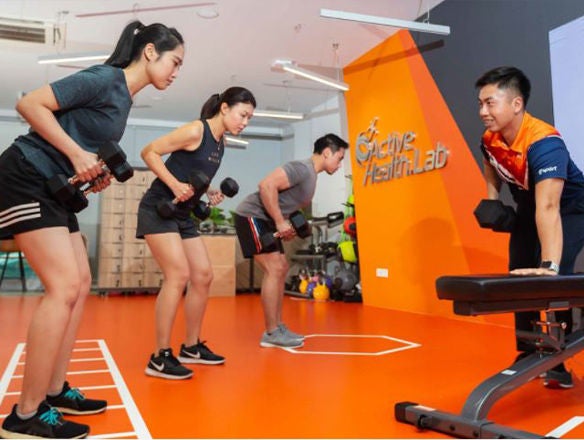
5. Community Living Laboratory (HEAL Labs)
Operating as real-world testbeds, Healthy Empowered Active Living (HEAL) labs bring together researchers, communities, service providers and industry partners to co-design, evaluate and refine new interventions. This capability strengthens stakeholder engagement and accelerates the translation of evidence into sustainable community-based solutions.
6. Research Panels & Health Policy
Providing the longitudinal data, stakeholder engagement platforms and policy expertise that underpin population health research, this capability supports evidence-informed decision-making at both system and national levels. It facilitates the translation of research findings into policy, service planning and improvements that can benefit communities at scale.
Stay Healthy The Easy Way

Get verified health advice, offers and more.
Stay Ahead in Healthcare Industry

Subscribe to our exclusive updates for healthcare professionals.















Keep Healthy With
 HealthXchange
 Health Videos
Follow SingHealth


© 2026 Singapore Health Services Pte Ltd. All Rights Reserved.