






Let us help you find what you’re looking for


What is
Video Capsule endoscopy, also known as wireless capsule endoscopy, is a diagnostic test used to examine the gastrointestinal tract, particularly the small intestine.
It involves swallowing a capsule containing a tiny camera. As the capsule travels naturally through the digestive system, it takes thousands of images, which are transmitted wirelessly to a recording device worn on the body.
Capsule endoscopy is most commonly used for the non‑invasive assessment of the small bowel, which cannot be fully examined using conventional endoscopy.
It is often recommended when small bowel conditions are suspected, such as:
- Unexplained small bowel bleeding
- Inflammation (for example, Crohn’s disease)
- Tumours or other abnormalities of the small intestine
The test helps your doctor identify possible causes of symptoms and guide further management.
Why is this test done?
Video Capsule endoscopy is most commonly used for the non‑invasive assessment of the small bowel, which cannot be fully examined using conventional endoscopy.
It is often recommended when small bowel conditions are suspected, such as:
- Unexplained small bowel bleeding
- Inflammation (for example, Crohn’s disease)
- Tumours or other abnormalities of the small intestine
The test helps your doctor identify possible causes of symptoms and guide further management.
How do I prepare for the test?
Preparation is straightforward.
Before the test:
- You will be counselled by nursing staff on fasting requirements
- You may be given instructions on bowel preparation, if needed
Specific preparation instructions will be provided prior to your appointment.
What happens during the procedure?
On the day of the procedure:
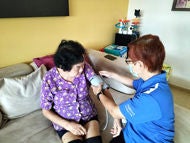
- Nursing staff will help you put on a sensor belt and image recorder
- The capsule will be set up and linked to the recorder, allowing images to be transmitted wirelessly
You will then be asked to swallow the capsule, which is about the size of an omega3 softgel capsule.
After swallowing the capsule, there will be a short period of monitoring to ensure that it has passed successfully into the small intestine (duodenum).


You will then be asked to swallow the capsule, which is about the size of an omega-3 softgel capsule. There will be a period of monitoring to ensure the capsule successfully deploys into the small intestine (duodenum).
What happens after the procedure?
Once the capsule has been swallowed:
- You will be able to go home and resume most normal daily activities while the recording continues
- You are advised to avoid strenuous activities, as these may affect image quality or damage the equipment
You will be required to return to the Gastrointestinal Function Unit for the collection of the sensor belt and recorder, and for downloading of the recorded images.
The images will be reviewed by your endoscopist, who will then discuss the findings and advise you on further management.
The capsule is usually passed naturally in your stool.
In the rare event that there are concerns about delayed capsule passage, an X‑ray may be arranged at a later time.

Frequently Asked Questions
I have a metal implants/pacemaker. Are there any risks?
The procedure does not interfere with implanted metals/devices. However, these devices may occasionally affect the clarity of recorded images
Please inform your doctor about any implanted devices during your consultation.
What are the chances of capsule retention in the small bowel?
The risk of capsule retention is low (less than 1%).
Certain conditions that cause narrowing of the small intestine may increase this risk, including:
- Crohn’s disease
- A history of abdominal surgery
- Previous small bowel obstruction
In higher‑risk situations, your doctor may recommend a patency capsule beforehand. This is a dissolvable capsule used to assess whether the capsule can pass through the intestine safely without causing blockage.
Contributed by
The information provided is not intended as medical advice. Terms of use. Information provided by SingHealth.
Our Medical Specialists
1
2
3
4
5
Health Articles
Stay Healthy The Easy Way

Get trusted health advice, offers and more.
Stay Ahead in Healthcare Industry

Subscribe to our exclusive updates for healthcare professionals.
















Keep Healthy With
 HealthXchange
 Health Videos
Follow SingHealth


© 2026 Singapore Health Services Pte Ltd. All Rights Reserved.