






Let us help you find what you’re looking for


Uses
What is Hydroxyurea for?
- This medication is used to treat head and neck cancer as well as certain blood cancer.
- It may also be used to treat other conditions.
How should I take or use Hydroxyurea?
- Take each dose with a full glass of water. Hydroxyurea may be taken with or without food.
- While you are taking this medication, your doctor may want you to drink extra fluids so that you will pass more urine. This will help prevent kidney problems.
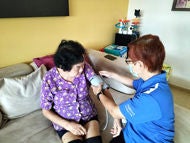
- If possible, handle the medication yourself. If you need a family member or caregiver to give the medication, ensure that they wash their hands before and after handling the medication.
- Do not break, crush or open up the capsules. Inform your physician/pharmacist if you have difficulties swallowing them whole.
- Women who are pregnant, planning to become pregnant, or breastfeeding should not handle this medication.
What should I do if I forget to take or use Hydroxyurea?
If you forget to take a dose, take it as soon as you remember. If it is almost time for the next dose, skip the missed dose. Then take your next dose at the usual time.
Do not take two doses to make up for the missed dose.
Precaution
What precautions should I take when taking or using Hydroxyurea?
- Inform your healthcare professional if you:
- Are allergic to this medication or any of the other ingredients of this medication.
- Have liver or kidney disease; blood disorders (e.g., anaemia); leg ulcers; infections; or previously had radiotherapy.
- You must not become pregnant during treatment with Hydroxyurea and must use an effective method of contraception. You should take appropriate contraceptive measures during and up to 6 months after stopping Hydoxyurea. If pregnancy occurs during your treatment, you must inform your doctor immediately.
- Hydroxyurea may have an anti-fertility effect, which could be irreversible. You should discuss with your doctor regarding fertility preservation before starting this medication.
- If your partner may become pregnant, use birth control while taking this medication. You will also need to use birth control for 1 year after your last dose, unless otherwise instructed by your doctor.
- You should not breastfeed during treatment.
- Your doctor may want you to have blood tests or other medical evaluations during treatment with hydroxyurea to monitor progress and side effects.
What food or medication should I avoid when I take or use Hydroxyurea?
Inform your doctor if you:
- Are taking any medications that can affect immune system.
- Are taking supplements, traditional medications and herbal remedies.
- Are going for immunizations (vaccinations) as Hydroxyurea may either increase the risk of an infection or reduce the effectiveness of the vaccine.
Side Effects
What are some common side effects of Hydroxyurea?
Certain side effects of this medication are not unusual and may even disappear during treatment. If any of the following effects persist or are severe, consult your doctor.
| Side effect | Management |
| Nausea or vomiting |
|
| Drowsiness, dizziness, feeling weak |
|
| Headache |
|
| Mouth sores and ulcers |
|
| Hair loss |
|
| Joint or back pain, pain in arms or legs |
|
| Dry skin |
|
| Brittle, darker or discoloured nails |
|
| Risk of infection |
|
| Risk of bruising and bleeding |
|
What are some rare but serious side effects that I need to seek medical advice immediately?
The following side effects may rarely occur. Consult your doctor as soon as possible if have any of the following:
Allergic reaction
- Swollen face/eyes/lips/tongue
- Difficulty in breathing
- Itchy skin rashes over your whole body
You can also find out about drug allergies by watching these videos:
For videos in 中文, Melayu and தமிழ், click here- Symptoms of infection:
- Fever with temperature of 38 °C and above
- Chills and shivering
- Cough
- Severe sore throat
- Sores in mouth or on lips
- Pain when passing urine
- Unusual bleeding and bruising e.g., passing large amount of fresh blood in urine or stools, or passing black sticky stools, or significant bruising
- Dark lips or urine, yellow skin or eyes, passing out, confusion, tiredness or weak, pale skin, shortness of breath
- Change in mole size or color, skin lump
- Swollen arms or legs
- Skin ulcers and dead body tissue (gangrene)
- Change in skin or finger nails
- Signs of lung problems e.g. shortness of breath, cough that is new or worse, or fever
Long term use of this medication may increase the risk of leukemia and skin cancer. Your doctor will monitor you for this. Avoid prolonged sun exposure. Use a sunscreen and wear protective clothing when you are outdoors.
Handling
How should I store Hydroxyurea?
Store in a cool and dry place, away from direct sunlight. Keep this medication away from children.
How do I throw away Hydroxyurea safely?
Pack the medication into a bag and bring it back to the pharmacy where you received the medication from.
Disclaimers
Please take note that the above is not a complete list of all possible side-effects. If you have any concerns about your medication or if you have other side-effects that you think are caused by this medication, please consult your doctor or pharmacist. If you take more than the recommended dose, please seek medical advice immediately. The information provided on this page does not replace information from your healthcare professional. Please consult your healthcare professional for more information.
This article is jointly developed by members of the National Medication Information workgroup. The workgroup consists of cluster partners (NHG Health, National University Health System and SingHealth), community pharmacies (Guardian, Unity and Watsons) and Pharmaceutical Society of Singapore. The content does not reflect drug availability and supply information in pharmacies and healthcare institutions. You are advised to check with the respective institutions for such information.
Last Updated on August 2026
Need More Medicine?
Use Medicine Order Service on HealthBuddy.

Medicines Reminder
Get reminders and chart progress on HealthBuddy.

Health Articles
Stay Healthy The Easy Way

Get trusted health advice, offers and more.
Stay Ahead in Healthcare Industry

Subscribe to our exclusive updates for healthcare professionals.
















Keep Healthy With
 HealthXchange
 Health Videos
Follow SingHealth


© 2026 Singapore Health Services Pte Ltd. All Rights Reserved.